
Nutrition
Feeding Your Diabetic Cat
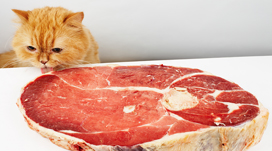
All members of the feline species are OBLIGATE CARNIVORES – this includes lions, tigers and our domestic cats. The feline genetic makeup requires cats to eat the tissue of other animals in order to thrive primarily because their digestive tracts are not able to adequately process a diet saturated with high carbohydrates from plant matter.
The food we feed our cats is directly responsible for their overall health. Until an illness like FD is diagnosed, most of us haven’t given a second thought about the specific ingredients in the canned or dry kibble we feed our cats. Because of life stage and convenience “claims” made on pet food labels, coupled with veterinary advice we are given based on less than optimal and questionable education offered at the university level by the pet food companies themselves; we assume the foods we’re feeding are in fact species appropriate when more often than not, that isn’t remotely the case!
A diet high in carbohydrates is a recipe for poor health for our cats and contributes heavily to diabetes in cats. Many cats with FD will even stop needing insulin once dry food is removed from their diet, certainly most diabetic cats will need less insulin once they are changed to a species appropriate diet. Feeding your cat dry food is the equivalent of raising your children on a steady diet of donuts and candy!
That said, before you toss that bag of kibble in the trash, if your cat is already on insulin, please do not simply remove the dry food – this is a recipe for disaster which can and does result in clinical hypo. Before making any changes to your diabetic cat’s diet, please join us on Forum for important Detox information to help you make the transition from dry food to low carb wet food safely.
Because the household cat originates from arid, desert climates, they are not naturally big water drinkers. Felines are designed to get the moisture their bodies require from the food they eat. Even if your cat drinks a lot of water, if it is on a dry food diet, it is not getting the amount of moisture it needs. Cats need more moisture in their diets than dry food offers – dry food is DRY!
A species appropriate low carb wet food diet can help avoid a multitude of feline health problems: Diabetes, Kidney Disease, Inflammatory Bowel Disease, Cystitis, Bladder/Kidney stones and other urinary tract problems, Obesity, Dental Disease, Feline Asthma, Pancreatitis and Hepatic Lipidosis are just a few common conditions which arise as a direct result of a species inappropriate diet. Dry kibble keeps the cat in a constant state of low level dehydration resulting in poor coat condition, dandruff, gastro-intestinal issues and skin allergies. Within a week of making a switch to a meat based species appropriate diet, you will watch the transformation in your cat take place right before your own eyes. Not to mention, the litter box will be less full and certainly a lot less smelly. How is it that we are not told by the pet food companies or our vets, just how much healthier our cats would be if fed the correct diet?
Protein derived from meat is far superior and has the complete amino acid profile that our felines require for good health, while protein derived from plant matter does not meet the physiological requirements of our obligate carnivores.
The carbohydrate content of any dry kibble is far too high for cats; even those new formulas which claim to have meat are still too high in carbs for felines. Cats require approximately 5% carbs for their daily dietary needs. The newly marketed and very highly processed dry kibbles available today contain a minimum of 25% dry matter carbs – traditional dry kibble can contain as much as 75% carbohydrates!
Understanding how to properly read a pet food label makes it possible to determine if the food is species appropriate. The first two or three items on the ingredient list form the major part of the food – and for felines, they should be meat. Canned foods are primarily based on meat and meat by-products, while dry kibble contains ingredients made of plant matter (corn, wheat, soy, vegetables, fruits, etc.) which is then sprayed with enticing substances to make the kibble more appealing to our cats. Most of us do not realize, without those sprayed on flavorings, our cats would not even eat dry kibble!
The two most common ingredients used in making dry kibble are corn and wheat – these two items are also at the very top of the list of known allergens for cats. In addition, food studies have identified numerous molds and other bacteria – salmonella for example – in dry food products, which are in fact the most frequently recalled pet food.
It is important to learn how to read the labels of cat foods properly. Manufacturers list ingredients with percentages of moisture, fat, protein, carbohydrates etc., but these listings are listed on an AS FED basis and do not accurately reflect the percentage of carbs your cat is getting. To know the correct carb content of foods, it is necessary to calculate the carbs based on dry matter, this calculation is explained on Forum.
When selecting appropriate low carbohydrate wet foods for your cat, look for foods with no corn, wheat, soy, grains or glutens in the ingredient list. Usually, foods with gravy contain corn starch or glutens, and are not a good choice, particularly when dealing with diabetes in cats. It is important to note that two of the leading food allergens for cats are beef and fish. While your cat may be able to eat these flavors with no visible allergic response, neither one is a natural food for felines. Fish in particular should be kept to a maximum feeding of once or twice a week, best as a treat only as it is very hard on the kidneys, not to mention it contains mercury which can build up in the system.
If your cat has Feline Diabetes, we can help you understand the huge role food plays in the disease, as well as help you work toward getting your cat into remission. As a part of the knowledge base we offer our members, there is a wealth of information on the Diabetic Cat Care Forum, including how to safely transition diabetic cats already receiving insulin to a low carb wet diet, appropriate canned cat foods listed by country; tips and tricks to use for transitioning off of dry food, a list of low carb treats, and a carbohydrate calculator. We have vet approved recipes for making nutritionally balanced raw food if that is of interest, as well as instructions on what and how to feed a sick cat.
Even if your cat is not a diabetic, we urge you to join the Forum so you can benefit from the wealth of dietary information available to DCC members.